


At FSA, I have the unique privilege of teaching both Visual Arts and Drama, while also coordinating our growing Theater Program. These combined roles allow me to see creativity from many angles—how students think visually, how they express themselves through performance, and how the arts help them develop confidence, communication skills, and personal voice.
.png)
At FSA, I have the unique privilege of teaching both Visual Arts and Drama, while also coordinating our growing Theater Program. These combined roles allow me to see creativity from many angles—how students think visually, how they express themselves through performance, and how the arts help them develop confidence, communication skills, and personal voice.
My philosophy is simple: the arts are not separate from academic success. They strengthen critical thinking, collaboration, and emotional resilience—skills students will carry into every discipline and every future career.
Balancing Visual Arts and Drama in a Connected Arts Program
FSA’s arts program is built on the belief that visual arts, drama, band, and orchestra are essential components of a well-rounded student experience. In my role, I blend studio-based visual art instruction with performance-focused drama learning, giving students multiple pathways to explore creativity and develop their expressive skills.
In Visual Arts, students work with a variety of media and techniques as they learn the principles of design, composition, and visual communication. Examples of past projects include: Large Scale Charcoal Drawings, Self Portraits, Lalese Stamps inspired Ceramic Mugs, Needle Felting, Pinatats, and Colored Pencil Realism. Students are exposed to a variety of mediums across 2D and 3D art and are encouraged to explore both realism and stylized art forms.

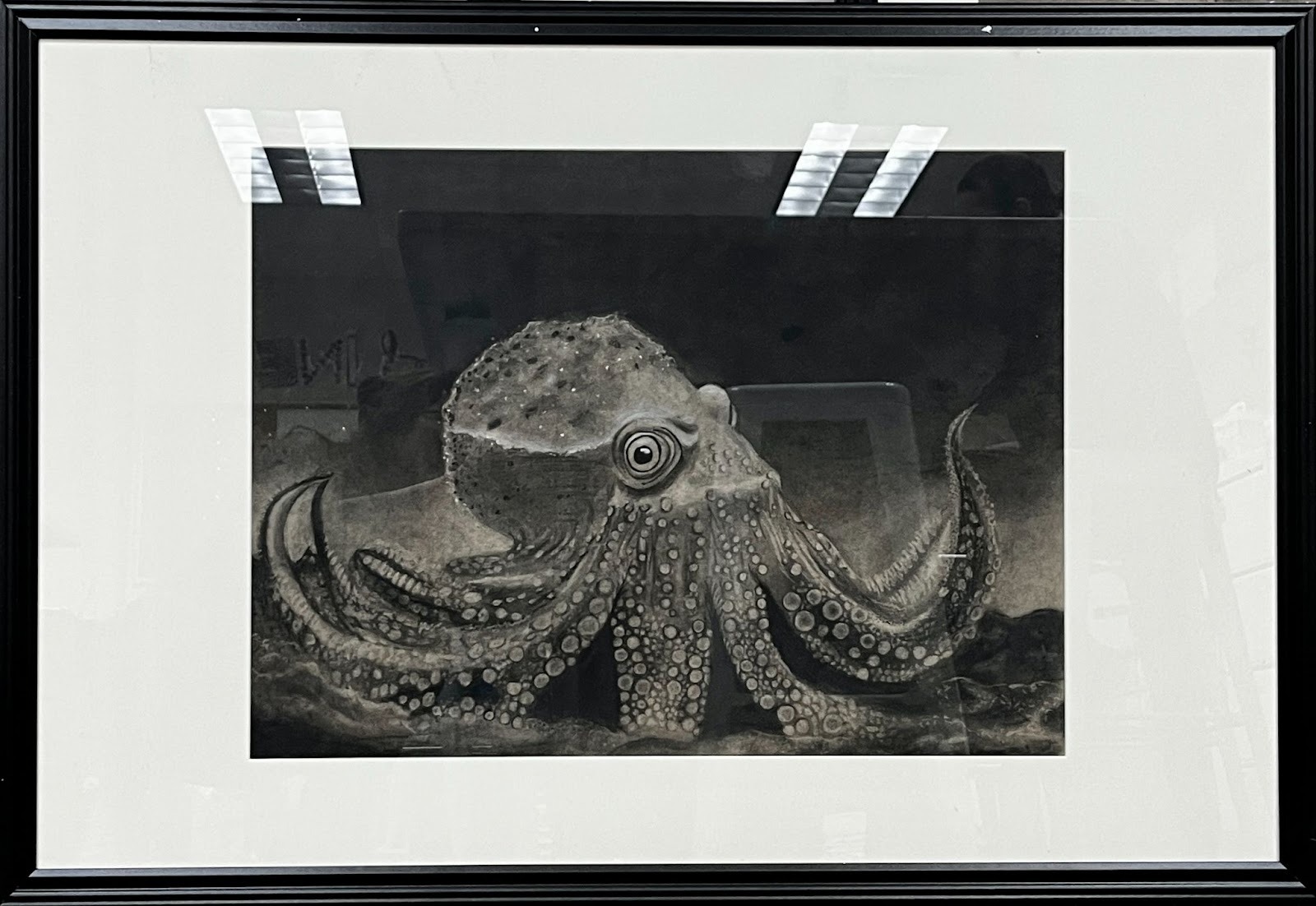
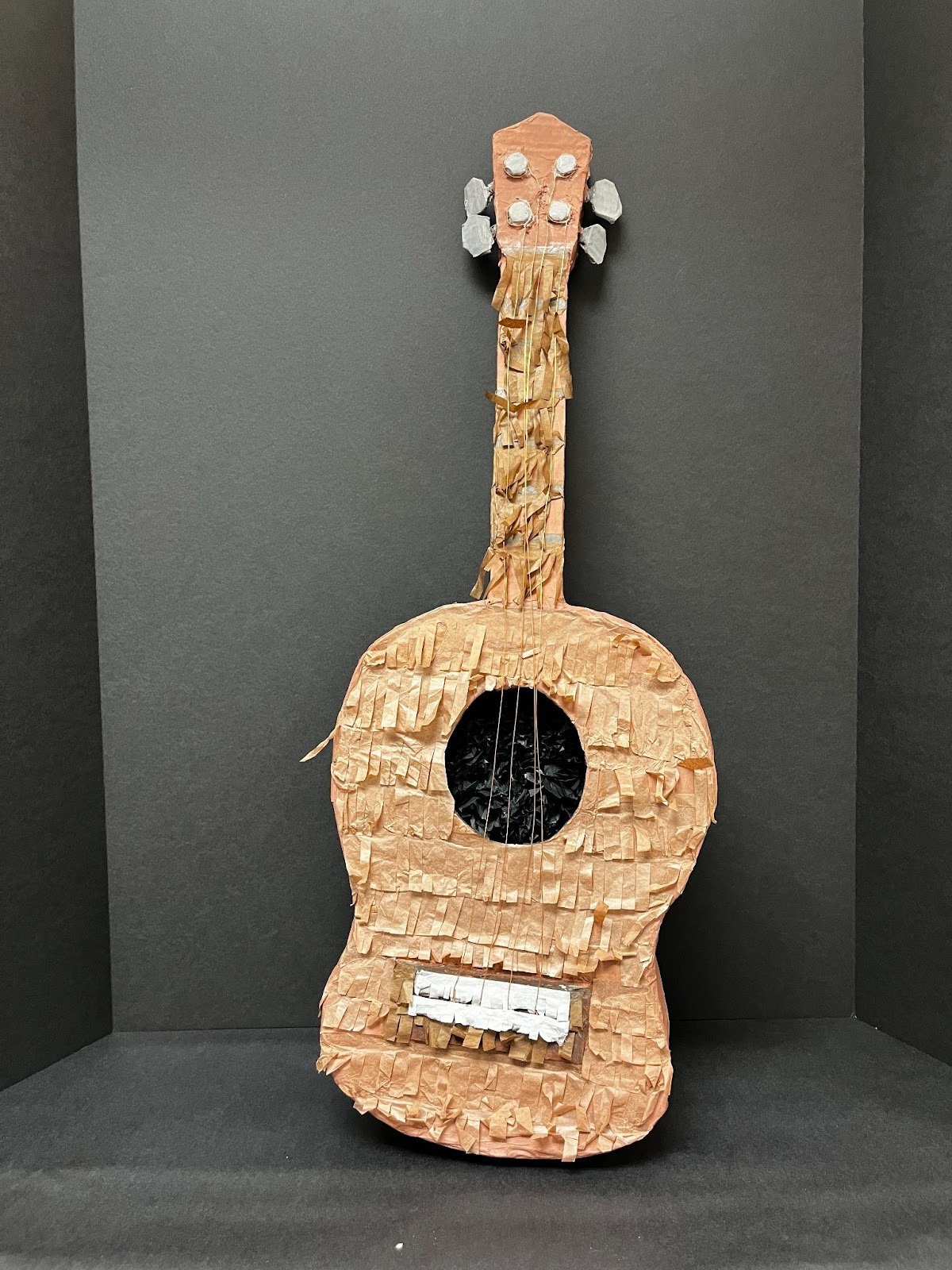
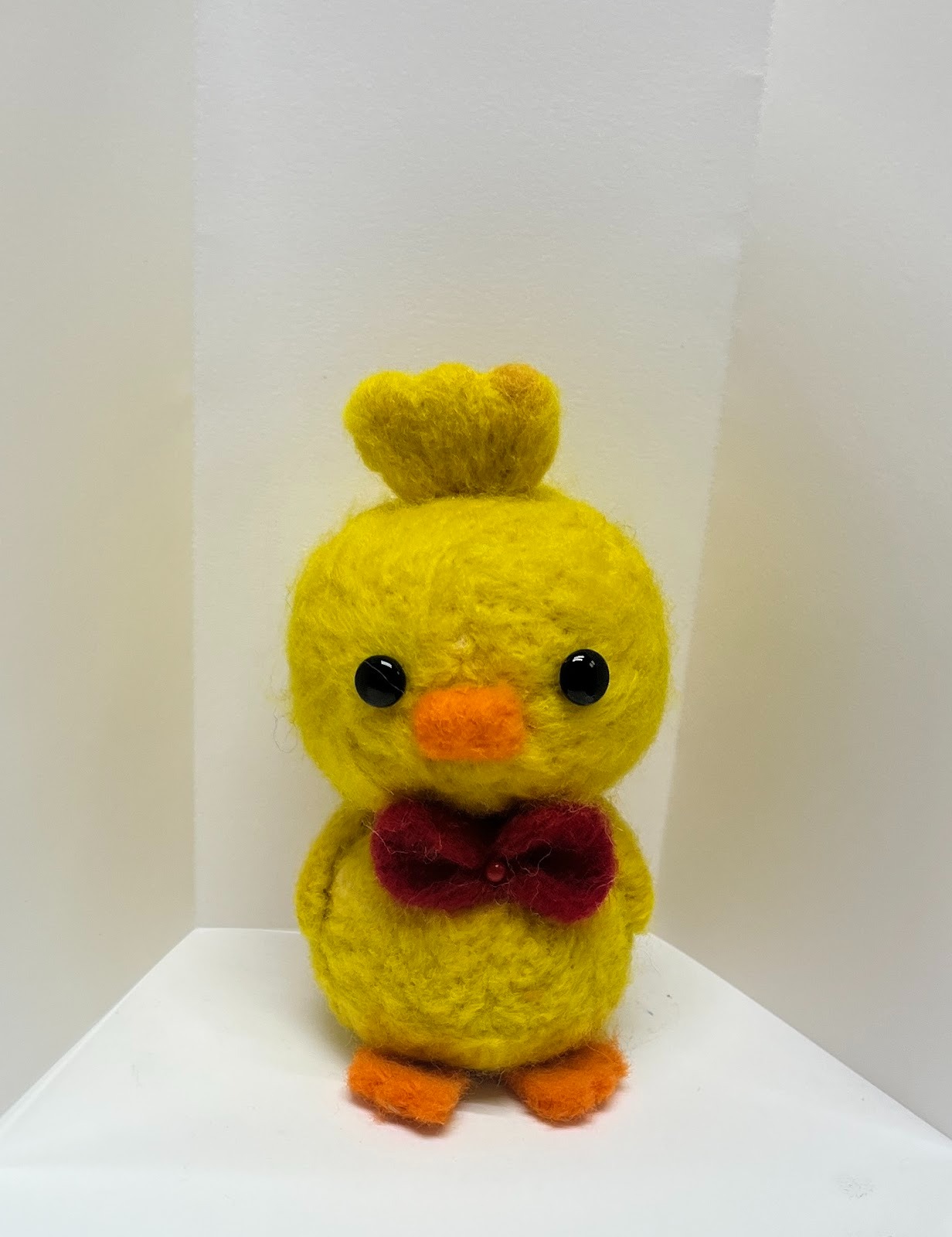
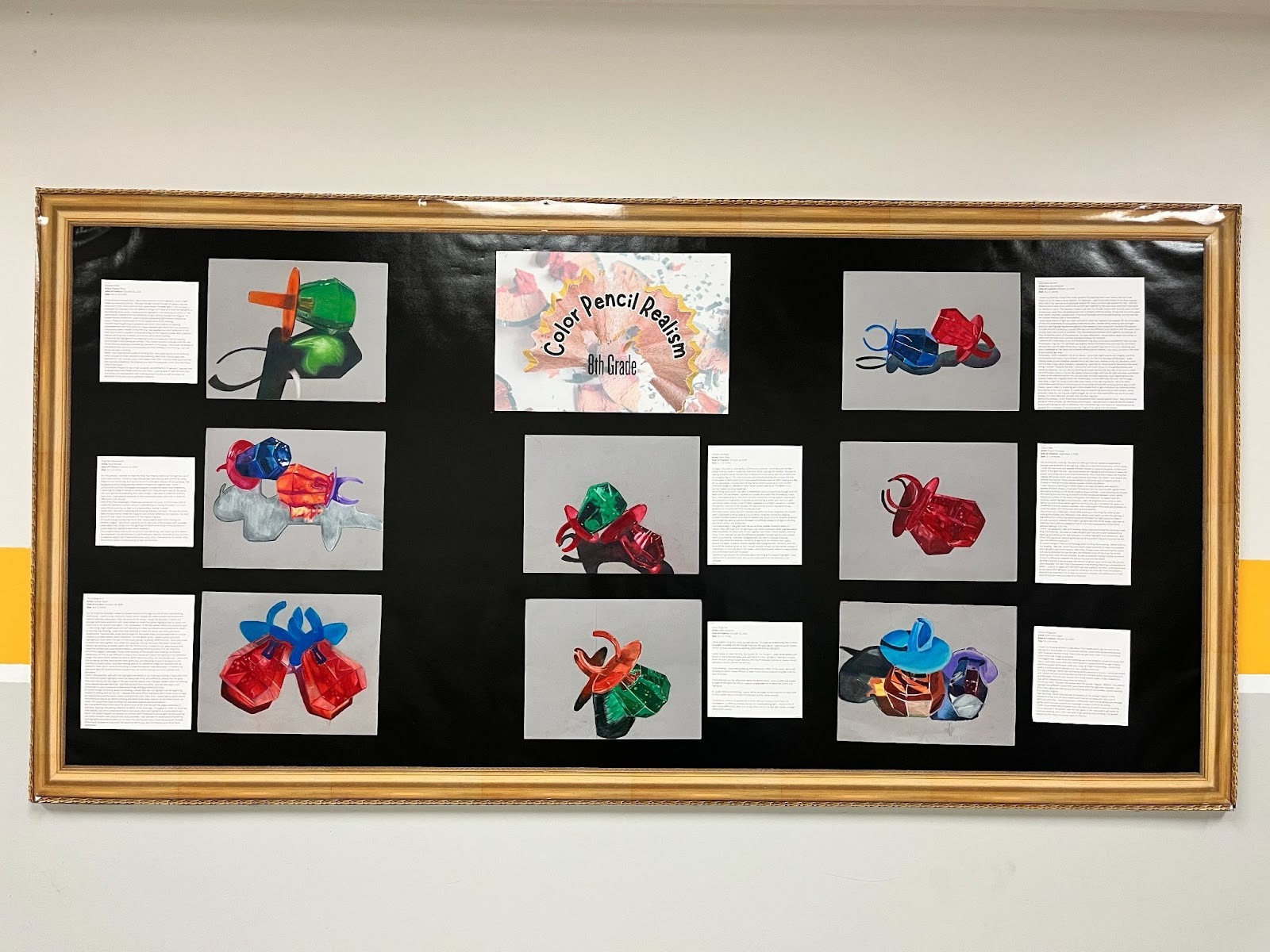
In Honors Drama Class, students work toward our competition One-Act show both in class and during rehearsals held after school. This show is often challenging and requires deep introspective thought about the human experience. Students in this course then work toward their “Thespy” pieces, where they either create a personal performance piece or a personal technical project, such as a costume or scenic design. Additionally, students explore both the performance and technical aspects of theatre, applying artistic skills to lighting design, scenic painting, and other technical elements that support all schoolwide productions. Students are often broken into teams, where they demonstrate their learned skill sets in realized productions.
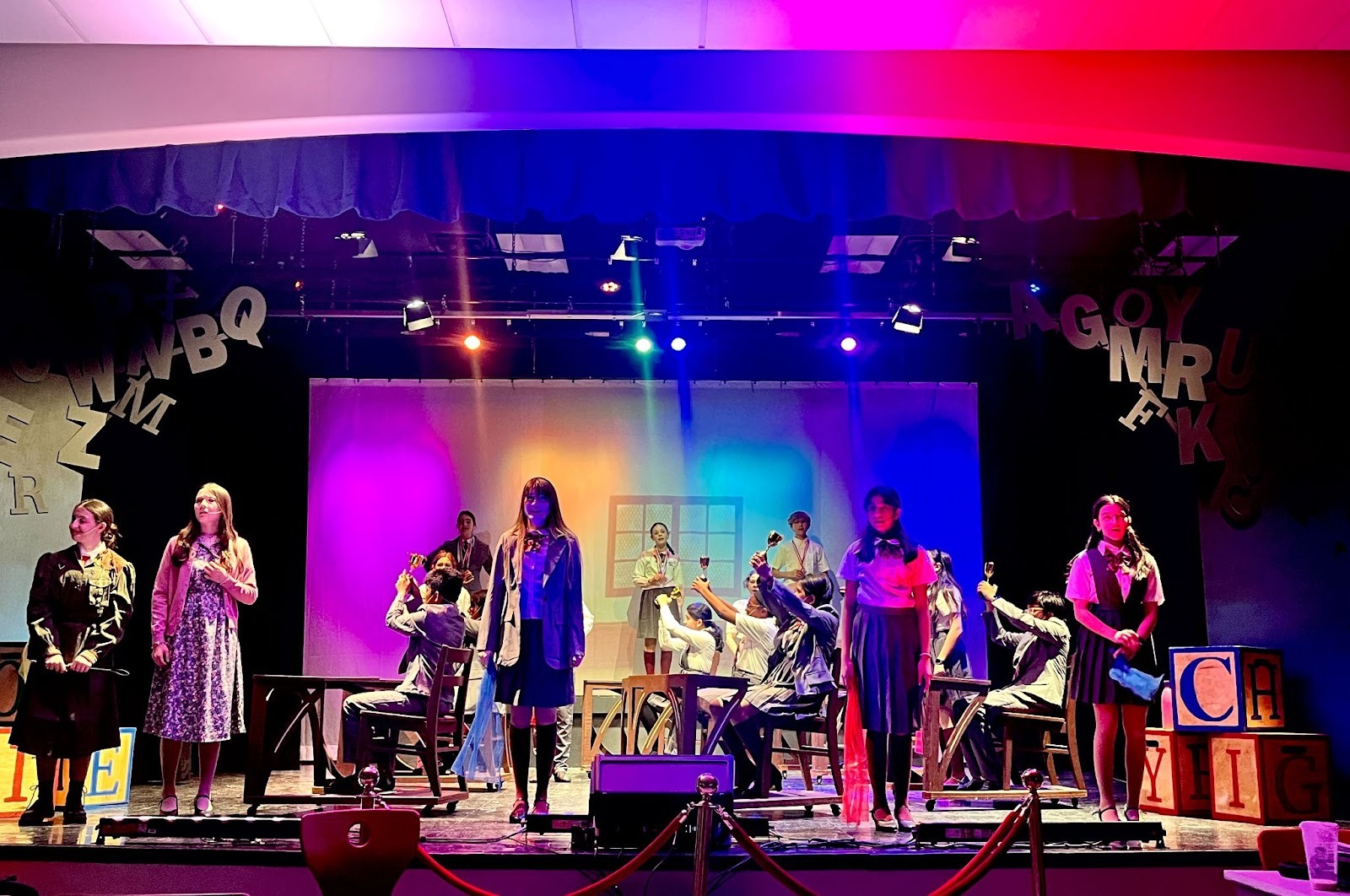
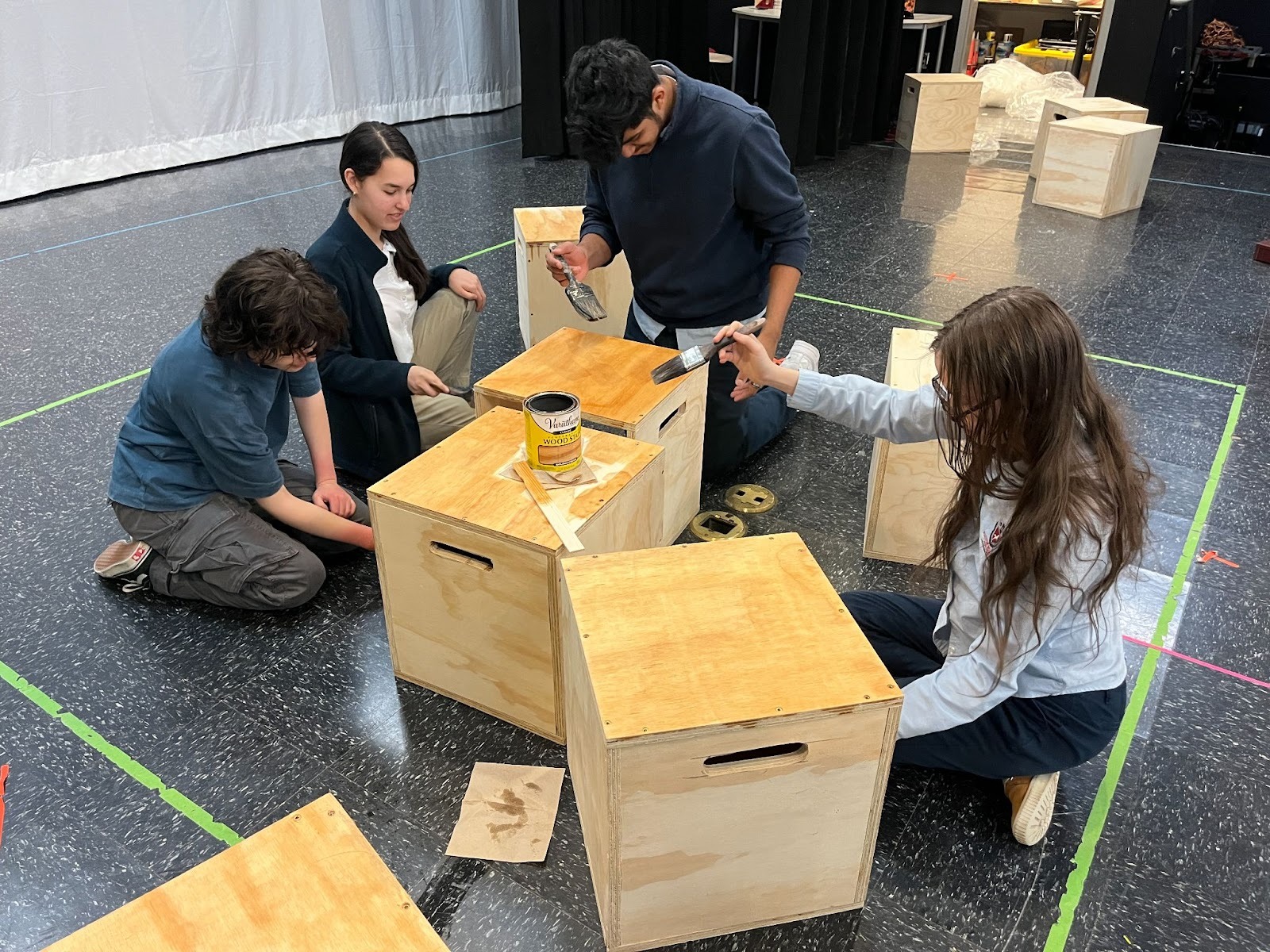
Because I teach both areas, I help students make natural connections between them—for example, how visual storytelling supports performance, or how understanding movement and expression can strengthen their artwork. This integrated perspective helps students see the arts as interconnected forms of expression rather than isolated classes.
Showcasing Student Work: From Classroom to Community
One of the pillars of FSA’s arts culture is providing students with authentic opportunities to share their work with others, including:
- Rotating hallway displays that highlight student artwork throughout the school year
- STEAM-centered events, such as our annual Family STEAM Night and annual STEAM Day, where visual art accompanies student engineering, technology, and science projects
- Drama club performances, giving students opportunities to demonstrate their acting, storytelling, and collaboration skills with the school community
These public celebrations of student creativity help students grow in confidence, take ownership of their work, and understand the value of sharing their ideas with an audience.
Building Collaboration, Confidence, and Risk-Taking Through the Arts
In both visual arts and drama, students learn skills that extend far beyond the arts classroom. They practice:
- Giving and receiving feedback
- Working collaboratively toward a shared creative goal
- Taking risks with new ideas, materials, or roles
- Adapting and revising their work based on reflection
- Expressing themselves clearly and confidently
These habits mirror the qualities we see in successful learners across subjects—students who communicate well, try new approaches, think creatively, and persist through challenges.
The arts offer a safe space for students to explore these skills and discover their own strengths.
Why Creativity Belongs in Every Discipline
Creativity is not limited to drawing, painting, or performing. It is a mindset that empowers students to:
- Approach challenges with flexibility
- Generate new ideas
- Consider multiple perspectives
- Communicate meaningfully
- Solve problems in innovative ways
These skills are essential in sciences, engineering, humanities, leadership roles, entrepreneurship, and every career field our students may choose.
My goal is for students to understand that creativity is not a talent reserved for a few—it is a powerful way of thinking that will support them wherever they go.
Above all, I hope every student who walks into my classroom feels seen, supported, and confident in their ability to express who they are through the arts.
The arts help students discover their voice, and that voice will support them not just in school, but in the world they are preparing to shape.
Author Biography
Madalyn Walsh is a middle school visual arts educator with five years of experience teaching middle grades visual arts. She primarily teaches 6th-8th grades and integrates visual art with science, math, language arts, and social studies to position art as both a creative and problem-solving discipline.
Madalyn holds a BFA in Art Education and a BA in Theatre, with a Certificate in Design and Technology. Her instructional approach emphasizes project-based learning, interdisciplinary connections, and a student-centered creative process.
With a strong focus on process over product, Madalyn prioritizes experimentation, reflection, and skill development across both 2D and 3D media. She designs vertically aligned curriculum to prepare students for high school art and beyond, incorporating STEAM principles, contemporary artists, and real-world design challenges to support meaningful, authentic learning experiences.