


How FSA students develop research skills through inquiry, original projects, presentations, and opportunities to publish their work.
The Power of Research: How Fulton Science Academy Students Become Young Scholars
In today's rapidly evolving world, academic success requires much more than memorizing information or earning high test scores. Universities and employers increasingly seek individuals who can ask meaningful questions, solve complex problems, communicate effectively, and generate innovative ideas.
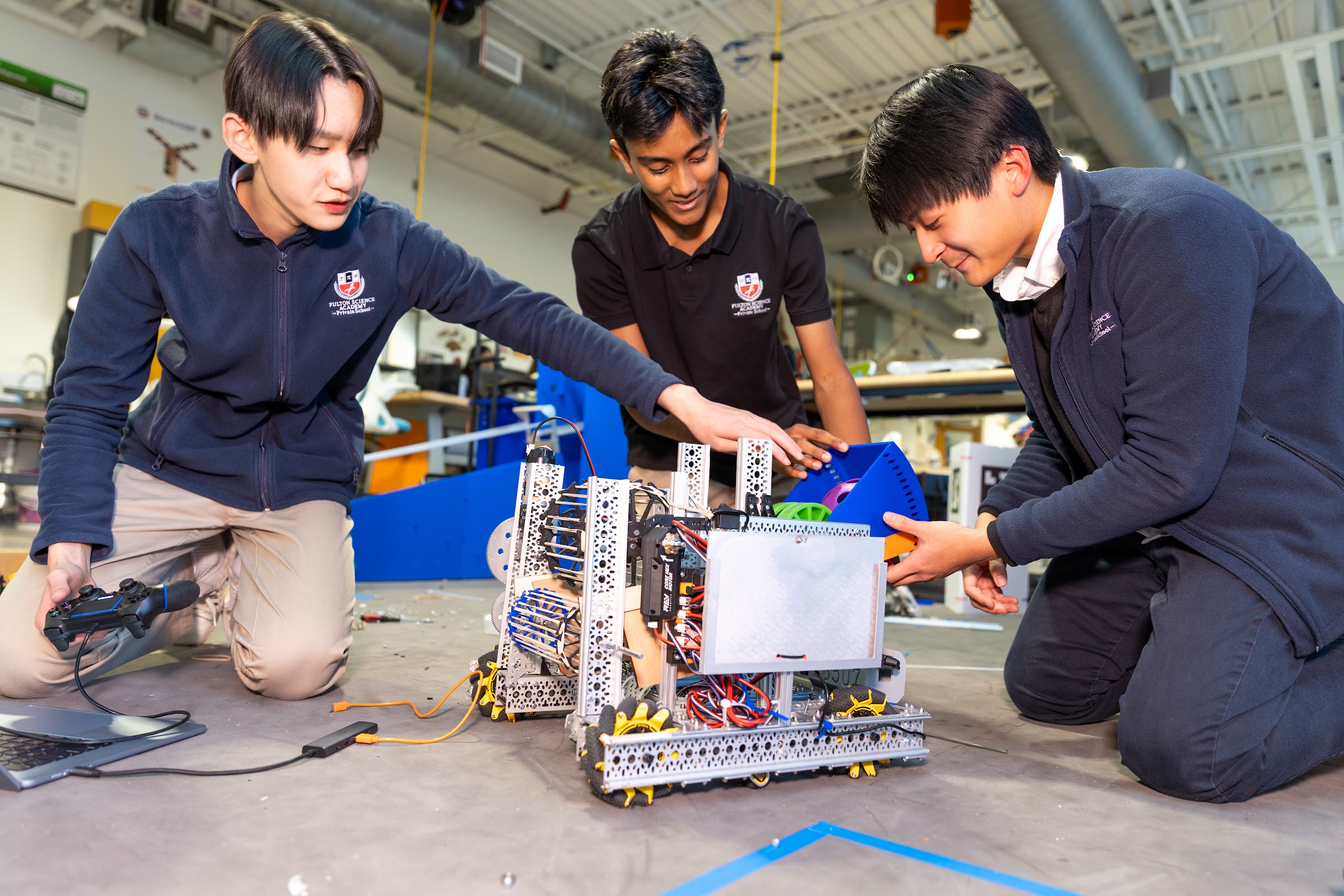
At Fulton Science Academy (FSA), research is woven into the educational experience from elementary school through graduation. Students learn to think like scientists, engineers, innovators, and scholars by engaging in authentic inquiry, conducting original research, presenting their ideas, and even publishing their work.
Building a Culture of Inquiry
Every great discovery begins with a question.
Rather than simply teaching students what to think, FSA teaches them how to think. Students are encouraged to observe the world around them, ask thoughtful questions, investigate evidence, and develop solutions supported by research.
Beginning in the elementary grades, students participate in age-appropriate inquiry projects that develop curiosity, creativity, and analytical thinking. As they progress through middle and high school, these experiences become increasingly sophisticated, introducing students to the same research methods used by university scholars and professionals.
Students learn how to:
- Develop meaningful research questions
- Design investigations and experiments
- Collect and analyze data
- Evaluate sources for credibility
- Draw evidence-based conclusions
- Present and defend their findings professionally
These skills become valuable not only in science, but across engineering, mathematics, technology, humanities, and the social sciences.
Creative Problem Solving: Learning to Think Like an Innovator
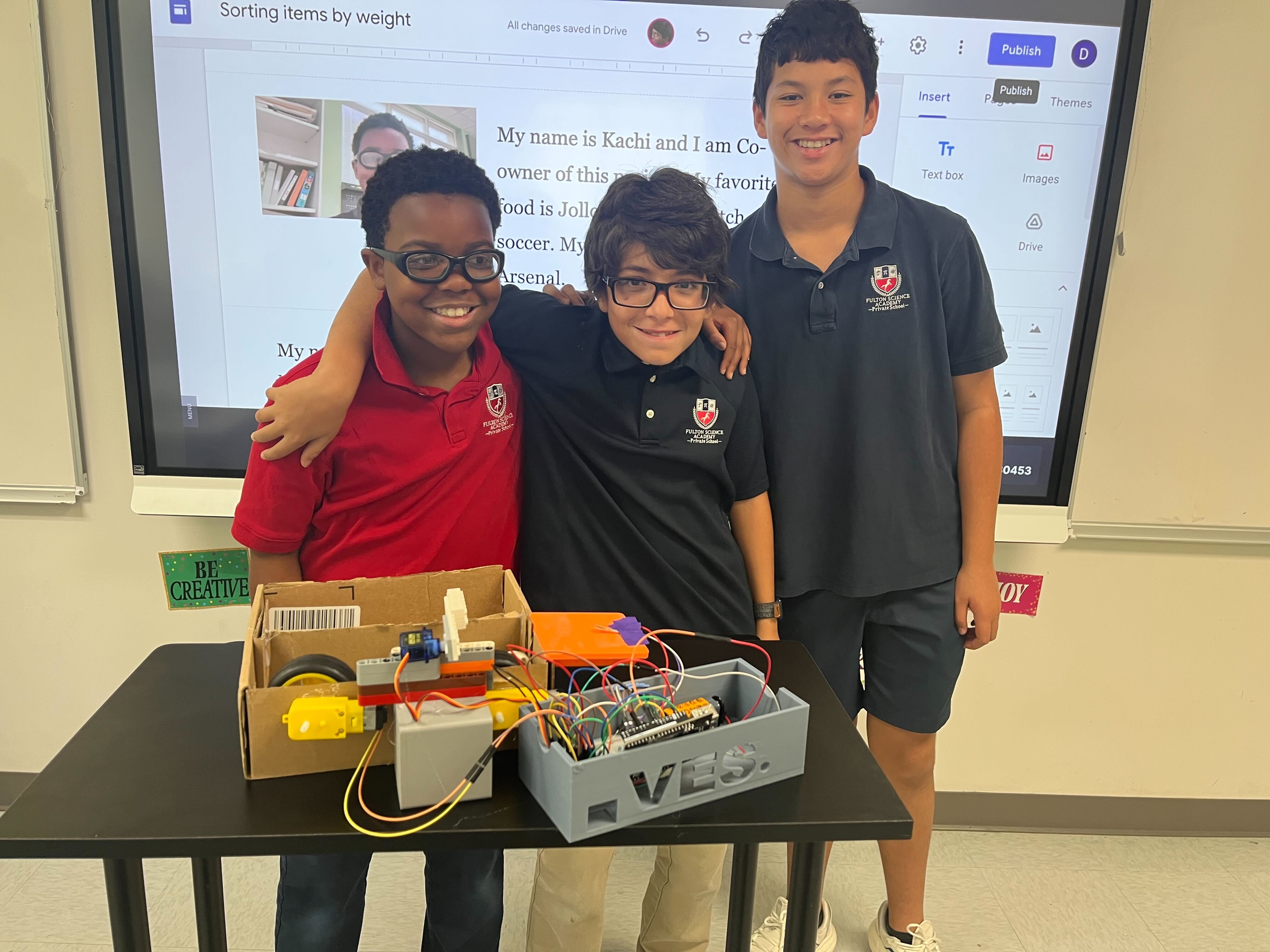
One of the unique ways FSA develops future researchers is through its middle school Creative Problem Solving (CPS) course.
Rather than focusing on finding the "right answer," CPS challenges students to identify real-world problems, think creatively, collaborate with others, and develop innovative solutions. Students engage in design thinking, brainstorming, prototyping, research, and iterative improvement while learning that meaningful innovation often requires persistence and multiple revisions.
The course integrates principles from science, engineering, technology, mathematics, and the arts, encouraging students to approach challenges from multiple perspectives. By combining creativity with analytical thinking, students build the confidence to tackle unfamiliar problems—an essential skill for both academic research and future careers.
The habits developed in Creative Problem Solving naturally prepare students for independent research projects, engineering challenges, entrepreneurship, and scientific investigation throughout high school.
Science Fair: Research in Action
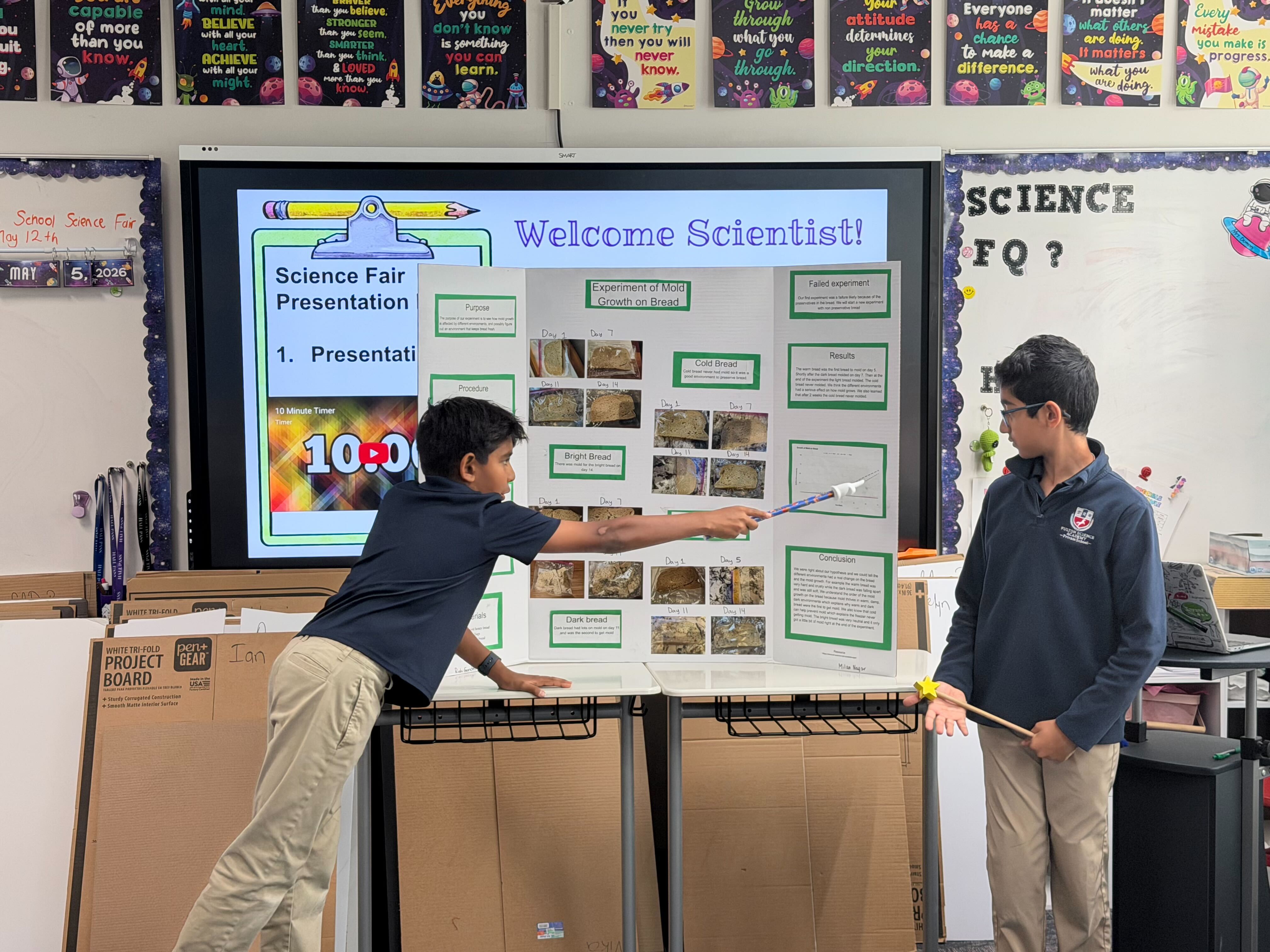
One of the hallmarks of FSA's research culture is the annual Science Fair.
Students spend months developing original research questions, designing experiments, collecting data, analyzing results, and refining their conclusions. Rather than completing simple demonstrations, students experience the full scientific process—from hypothesis development to statistical analysis and evidence-based reasoning.
Throughout the project, teachers serve as mentors while students take ownership of every stage of the investigation.
The experience extends beyond conducting research. Students also present their projects to judges and visitors, explaining their methodology, defending their conclusions, and answering questions about their work. Learning to communicate complex ideas clearly and confidently is an essential part of the scientific process and prepares students for future academic conferences, university research, and professional careers.
Beyond scientific knowledge, the Science Fair develops perseverance, critical thinking, organization, public speaking, and resilience; these qualities serve students throughout their academic and professional lives.
From Research to Publication: Scripta
Research becomes even more meaningful when it contributes to a broader academic conversation.
One of Fulton Science Academy's most distinctive opportunities is Scripta, a semiannual, peer-reviewed academic journal collaboratively published by Fulton Science Academy faculty and students.
Unlike traditional school magazines, Scripta functions as a genuine scholarly journal where students submit original research papers, analytical essays, reports, and book reviews. Every submission undergoes a thoughtful editorial and peer-review process, helping students experience the same standards of academic integrity and scholarly communication expected at universities.
Through participation in Scripta, students develop:
- Advanced research and analytical skills
- Academic writing and scholarly communication
- Editorial and peer-review experience
- Leadership and collaboration
- Ethical research practices
- Project management and publication skills
Scripta is proudly registered with the Library of Congress and carries ISSN 2769-9242, making it part of the global academic record. As an open-access journal, it allows readers around the world to engage with the work of FSA's young scholars.
Its guiding principle beautifully captures the lasting impact of student scholarship:
Verba volant, scripta manent — Spoken words fly away, written words remain.
Sharing Knowledge Through the SPARK Symposium
Research is only complete when it is communicated effectively.
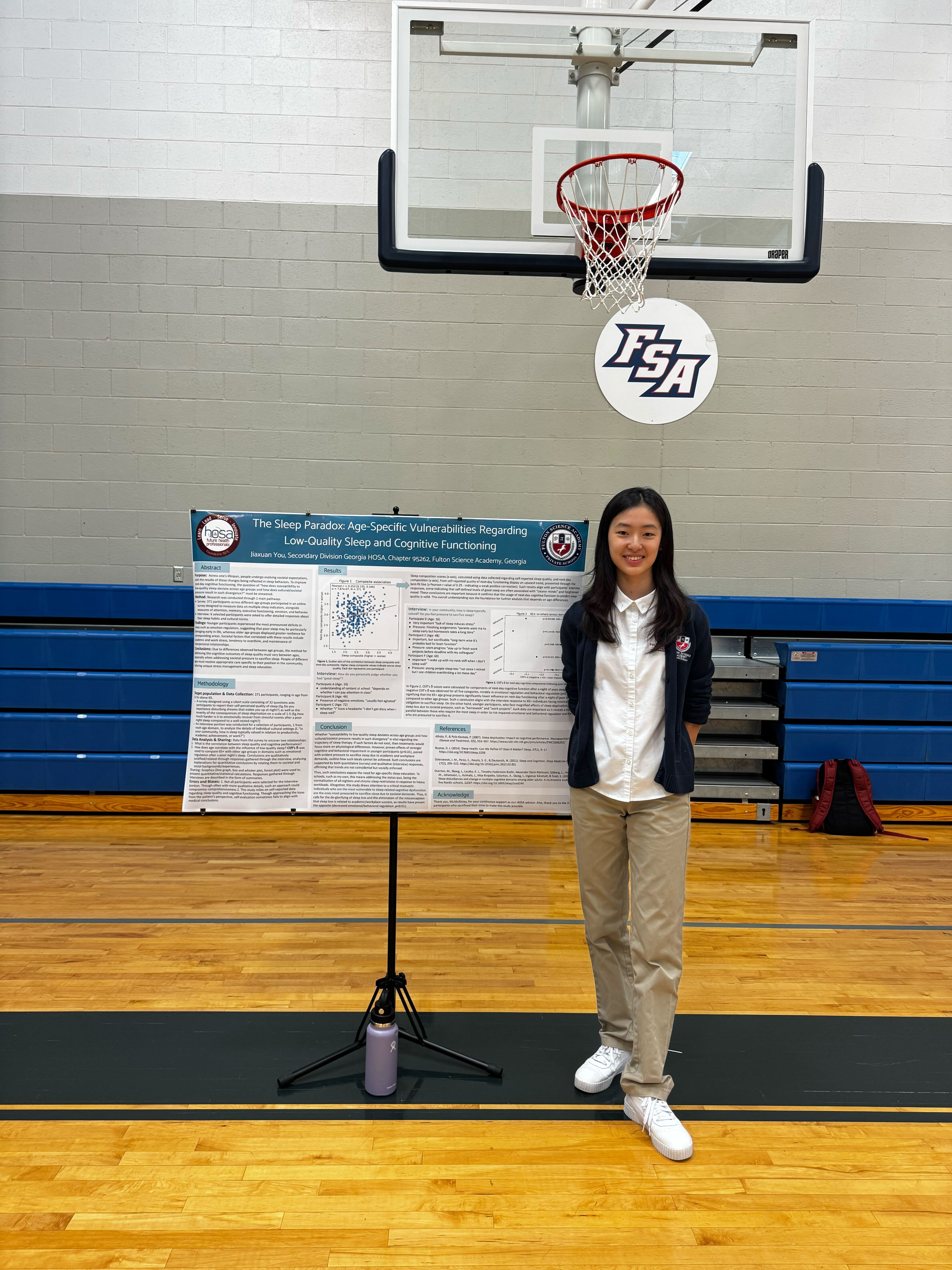
Each year, students have the opportunity to showcase their work at FSA's SPARK Symposium, a professional-style conference where they present research to peers, educators, industry professionals, families, and community members.
Students design research posters, deliver formal presentations, answer challenging questions, and explain complex ideas with confidence.
These experiences strengthen:
- Public speaking
- Professional communication
- Leadership
- Critical thinking
- Confidence
- Collaboration
By learning to present their research professionally, students gain valuable experience that prepares them for university conferences, internships, and future careers.
Preparing Students for Competitive Universities
Leading universities increasingly value applicants who demonstrate initiative, intellectual curiosity, and authentic research experience.
Through courses like Creative Problem Solving, independent inquiry, Science Fair, SPARK Symposium presentations, and publication opportunities such as Scripta, FSA students build impressive academic portfolios while developing the habits of successful lifelong learners.
They graduate with experiences that distinguish them in competitive admissions processes, including:
- Independent research
- Long-term project management
- Scientific investigation
- Academic writing
- Professional presentation skills
- Collaboration and leadership
More importantly, they leave with the confidence to ask difficult questions, solve meaningful problems, and continue contributing to their communities.
A Tradition of Scholarship at FSA
At FSA, students do more than simply learn about discoveries made by others; they are discoverers themselves. They investigate meaningful questions, collaborate with peers, develop innovative solutions, present their ideas with confidence, and even publish their work in an internationally recognized academic journal.
Research is more than a classroom assignment. It is a mindset that inspires curiosity, develops leadership, and empowers students to become thoughtful scholars prepared to make meaningful contributions to an ever-changing world.